
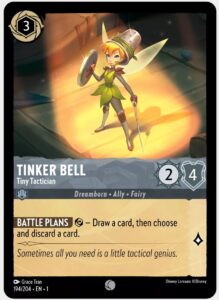
 Eight months ago, Marcus “TinyTactician” Chen was streaming to empty chat rooms. Today, he averages 1,500 concurrent viewers and just signed his first major sponsorship deal. His growth story offers valuable lessons for aspiring streamers.
The Starting Point
Marcus started streaming in March 2024 with zero followers and basic equipment: a webcam, a Blue Yeti microphone, and a dream. His first stream had 2 viewers—both friends he’d begged to tune in.
“I had no idea what I was doing,” Marcus admits. “I thought if I just played games and was entertaining, people would show up. That’s not how it works.”
The Turning Point
Month two was brutal. Marcus was averaging 5-10 viewers, mostly the same handful of friends. He considered quitting.
Instead, he made a critical decision: focus on one game and become genuinely good at teaching it. He chose Teamfight Tactics, a game he’d played casually but never seriously.
“I realized I was trying to be entertaining without offering value. I needed to give people a reason to watch beyond my personality.”
The Strategy That Worked
Marcus committed to becoming a TFT educational streamer. He studied meta compositions, watched high-level players, and most importantly, learned how to explain complex strategies simply.
His stream titles changed from “Playing TFT” to specific value propositions: “Explaining the New Set Mechanics,” “How to Force Comps Without Griefing,” “Climbing from Gold to Diamond Live.”
He created a YouTube channel with 5-10 minute guides extracted from streams. These videos became discovery engines, driving hundreds of viewers back to his live content.
The Growth Curve
Month 3: 50 average viewers Month 4: 150 average viewersMonth 5: 400 average viewers Month 6: 800 average viewers Month 7: 1,200 average viewers Month 8: 1,500 average viewers
The growth wasn’t linear. Marcus experienced plateaus and even dips. But the overall trajectory was clear: educational content with personality was working.
Key Lessons from Marcus
The Sponsorship Deal
Last month, a gaming peripheral company reached out with a sponsorship offer. The deal includes product placement, affiliate revenue, and a monthly retainer.
“I never thought I’d get sponsored at my size,” Marcus says. “But brands are realizing that mid-sized streamers with engaged communities deliver better ROI than mega-streamers with passive audiences.”
What’s Next
Marcus plans to maintain his educational focus while gradually introducing variety content. He’s also launching a Discord community with coaching services—a natural monetization extension of his teaching brand.
“The goal isn’t to be the biggest TFT streamer. It’s to build a sustainable career doing something I love. If I can help others learn and build a community in the process, that’s success.”
Key Takeaways
Marcus’s story isn’t about luck or viral moments. It’s about strategic focus, consistent execution, and genuine value creation. His advice for aspiring streamers:
From 0 to 1,500 viewers in 8 months. It’s possible—but it requires strategy, not just streaming.
 Getting discovered on streaming platforms is harder than ever. With millions of live channels competing for attention, standing out requires strategy beyond just “going live and hoping.” Here are five proven tactics to increase your stream’s discoverability in 2025.
Your stream title is the first—and often only—thing potential viewers see. Generic titles like “Playing Valorant” or “Just Chatting” are discovery killers.
Instead, be specific and intriguing: “Radiant Player Teaches Aim Mechanics” or “Reacting to Viewer-Submitted Cringe.” These titles tell viewers exactly what they’re getting and why it’s worth their time.
Tags matter more than most streamers realize. Use all available tag slots, mixing popular tags (for broad reach) with niche tags (for targeted discovery). “Valorant” is competitive; “Valorant Educational” is targeted.
Update titles and tags throughout your stream as content shifts. If you start with gameplay and switch to Q&A, update accordingly.
The biggest categories aren’t always the best for discoverability. Streaming Fortnite puts you on page 47 of listings. Streaming a smaller game with dedicated fans puts you on page 1.
Look for categories with 500-5,000 viewers: large enough to have traffic, small enough to be discoverable. Games like indie releases, retro titles, or niche competitive games often hit this sweet spot.
Consider “Just Chatting” strategically. It’s massive but has high viewer turnover. Short, focused Just Chatting segments (reactions, Q&A, discussions) can capture viewers who then follow to your gameplay streams.
Clips, TikToks, and YouTube Shorts are discovery engines for live streams. One viral 30-second clip can drive thousands of viewers to your channel.
Create 3-5 clips from every stream. Focus on funny moments, impressive plays, hot takes, or educational snippets. Post them across TikTok, YouTube Shorts, Instagram Reels, and Twitter.
Use captions and text overlays—most short-form content is watched without sound. Make your content accessible and algorithm-friendly.
Include clear CTAs: “Full stream on Twitch” with your handle visible. Make it easy for interested viewers to find you.
Collaborations expose you to new audiences. But random collabs rarely work. Partner with streamers in your niche who are slightly larger (but not massively larger) than you.
A streamer with 200 viewers collaborating with someone who has 500 viewers is mutually beneficial. A 50-viewer streamer collaborating with a 10,000-viewer streamer rarely moves the needle.
Raid strategically at the end of every stream. Don’t just raid friends—raid streamers whose content aligns with yours and who are likely to raid back. Build a raid network of 5-10 streamers in your niche.
Consistency beats frequency. Streaming 3 days a week at the same times is more discoverable than streaming 5 days at random times.
Platform algorithms favor consistent schedules. Twitch’s “Live Channels You Follow” section prioritizes streamers who go live at expected times.
Analyze your category’s traffic patterns. Use tools like TwitchTracker or SullyGnome to identify when your category has high viewer traffic but lower streamer competition.
Don’t stream during mega-events unless you’re covering them. When major tournaments or conventions happen, casual viewers flock to those streams. Schedule around them instead.
Bonus: Make Your Channel “Stick”
Discoverability gets viewers to your channel. Retention keeps them there. Ensure your stream quality, audio, and chat engagement are polished enough that discovered viewers become followers.
First impressions matter. Viewers decide whether to stay within 30 seconds. Have clear overlays, good audio, and acknowledge new viewers immediately.
 The streaming landscape is shifting. While mega-streamers still dominate headlines, data from Q3 2024 reveals an interesting trend: mid-sized creators (500-5,000 concurrent viewers) are experiencing the fastest audience and revenue growth across all major platforms.
The Numbers Tell the Story
According to recent platform analytics, streamers in the 500-5,000 viewer range saw average audience growth of 47% year-over-year, compared to just 12% for channels above 10,000 viewers and 23% for channels under 500 viewers.
Revenue growth is even more pronounced. Mid-sized streamers reported average income increases of 63%, driven by diversified monetization including subscriptions, sponsorships, and merchandise—revenue streams that scale efficiently at this audience size.
Why the Mid-Tier Is Thriving
Several factors explain this phenomenon. First, discoverability algorithms on Twitch and YouTube increasingly favor established-but-growing channels over both brand-new and massive creators. These platforms want to promote content that’s proven but still has growth potential.
Second, viewer behavior is changing. Audiences increasingly seek community-focused streams where chat interaction is possible. In channels with 50,000 viewers, individual viewers are anonymous. In channels with 2,000 viewers, regulars are recognized and community bonds form.
Third, sponsorship economics favor mid-sized creators. Brands are discovering that 10 mid-tier streamers often deliver better ROI than one mega-streamer, thanks to higher engagement rates and more authentic integrations.
What This Means for Streamers
If you’re currently in the 100-500 viewer range, this is encouraging news. The path from “small” to “mid-sized” is clearer than ever, and the rewards at the mid-tier are substantial.
Focus on community building over viral growth. Mid-sized success is built on consistent, engaged audiences—not one-time viewer spikes from viral clips.
Diversify revenue early. Don’t wait until you’re “big enough” for sponsorships or merchandise. Mid-sized audiences are often more willing to support creators directly than massive, anonymous audiences.
The Plateau Myth
Many streamers fear the “mid-tier plateau”—the idea that growth stalls once you reach a certain size. The data suggests this plateau is less about audience size and more about content stagnation.
Mid-sized streamers who continue innovating, collaborating, and evolving their content see sustained growth. Those who settle into comfortable routines often plateau regardless of size.
Looking Forward
Industry analysts predict the mid-tier boom will continue through 2025 as platforms refine discovery algorithms and brands allocate more budget to micro and mid-tier influencer partnerships.
For aspiring streamers, the message is clear: the middle is where the momentum is. Build your community, diversify your income, and don’t rush to be the biggest—focus on being sustainable.
 YouTube Gaming has launched a comprehensive suite of live chat moderation tools, giving streamers unprecedented control over their chat environments. The update, rolling out globally this week, introduces AI-assisted moderation, custom word filters, and improved moderator permissions.
New Features Breakdown
The standout feature is Smart Moderation, an AI-powered system that learns from your moderation decisions. When you timeout or ban users, the system identifies patterns and proactively flags similar messages for review. Unlike fully automated systems, Smart Moderation requires moderator approval before taking action, keeping humans in the loop.
Custom word filters have been significantly upgraded. Streamers can now create tiered filter lists with different actions: auto-delete, hold for review, or flag for moderators. Wildcard support means you can block variations of problematic terms without creating dozens of individual entries.
Moderator permissions are now granular. You can assign specific roles like “timeout only,” “delete messages only,” or “full moderation access.” This is particularly useful for larger channels with multiple moderators at different trust levels.
Why Streamers Are Excited
Chat moderation has long been a pain point for growing channels. The gap between “no moderation tools” and “full moderator access” left many streamers hesitant to bring on help. These new permission levels solve that problem.
The AI-assisted approach is also drawing praise for striking a balance. Fully automated moderation often catches false positives or misses context. By requiring human approval, YouTube’s system provides assistance without removing moderator judgment.
Implementation Tips
YouTube recommends starting with Smart Moderation in “suggestion mode” for your first few streams. This lets you see what it would flag without taking automatic action, allowing you to calibrate the system to your community’s norms.
Custom word filters should be implemented gradually. Start with obvious terms, then expand based on actual chat issues. Over-filtering can stifle legitimate conversation and frustrate your community.
For moderator permissions, consider a tiered approach: trusted long-term mods get full access, newer mods start with timeout-only permissions, and VIP community members might get message deletion rights for obvious spam.
What’s Next
YouTube indicated this is phase one of a larger chat improvement initiative. Upcoming features reportedly include chat analytics, raid protection tools, and improved mobile moderation capabilities.
The tools are available now in YouTube Studio under the “Live Chat Settings” section. Streamers can configure settings before going live or adjust them mid-stream as needed.

Twitch has officially announced significant updates to its Affiliate Program, set to roll out in early 2025. The changes, revealed during a creator town hall yesterday, aim to make monetization more accessible while raising quality standards for the platform.
What’s Changing
The most notable change is the reduction in follower requirements. Previously, aspiring Affiliates needed 50 followers to qualify. The new threshold drops to just 25 followers, cutting the barrier to entry in half.
However, Twitch is simultaneously raising the bar for streaming consistency. The new requirements mandate 10 unique streaming days per month (up from 7) and a minimum of 15 hours of broadcast time (up from 8 hours).
Average concurrent viewership requirements remain at 3 viewers, but Twitch clarified that bot viewers and embedded streams will no longer count toward this metric—a move designed to combat artificial inflation.
Why This Matters
These changes reflect Twitch’s ongoing effort to balance accessibility with quality. By lowering follower requirements while increasing streaming consistency demands, the platform is signaling that regular, committed content creation matters more than viral follower spikes.
For new streamers, this is largely positive news. Reaching 25 followers is significantly easier than 50, especially for creators in niche categories. The increased streaming hour requirement, while more demanding, still represents less than 4 hours per week—manageable for most serious creators.
What Streamers Should Know
Current Affiliates are grandfathered in and won’t lose their status under the new rules. However, inactive Affiliates who don’t stream for 12 consecutive months may need to requalify under the new standards.
Aspiring Affiliates should focus on consistency over viral growth. Building a small, engaged community of regular viewers is now explicitly more valuable than chasing follower counts.
The changes take effect February 1, 2025. Streamers currently working toward Affiliate status under the old requirements have until January 31 to qualify under the existing rules.
Looking Ahead
Twitch representatives indicated these changes are part of a broader 2025 initiative to improve creator sustainability and platform quality. Additional announcements regarding Partner program updates and monetization features are expected in Q1 2025.
For streamers on the path to Affiliate status, the message is clear: show up consistently, build genuine community, and focus on real engagement over vanity metrics.